
West Elm is for the design lover who wants bold, modern pieces with sustainability creds. Pottery Barn is built for comfort, durability, and real life—furniture that feels like home and holds up over time.
So let’s lay it all out.
Fast Facts: West Elm vs. Pottery Barn
Same parent company. Totally different personalities.
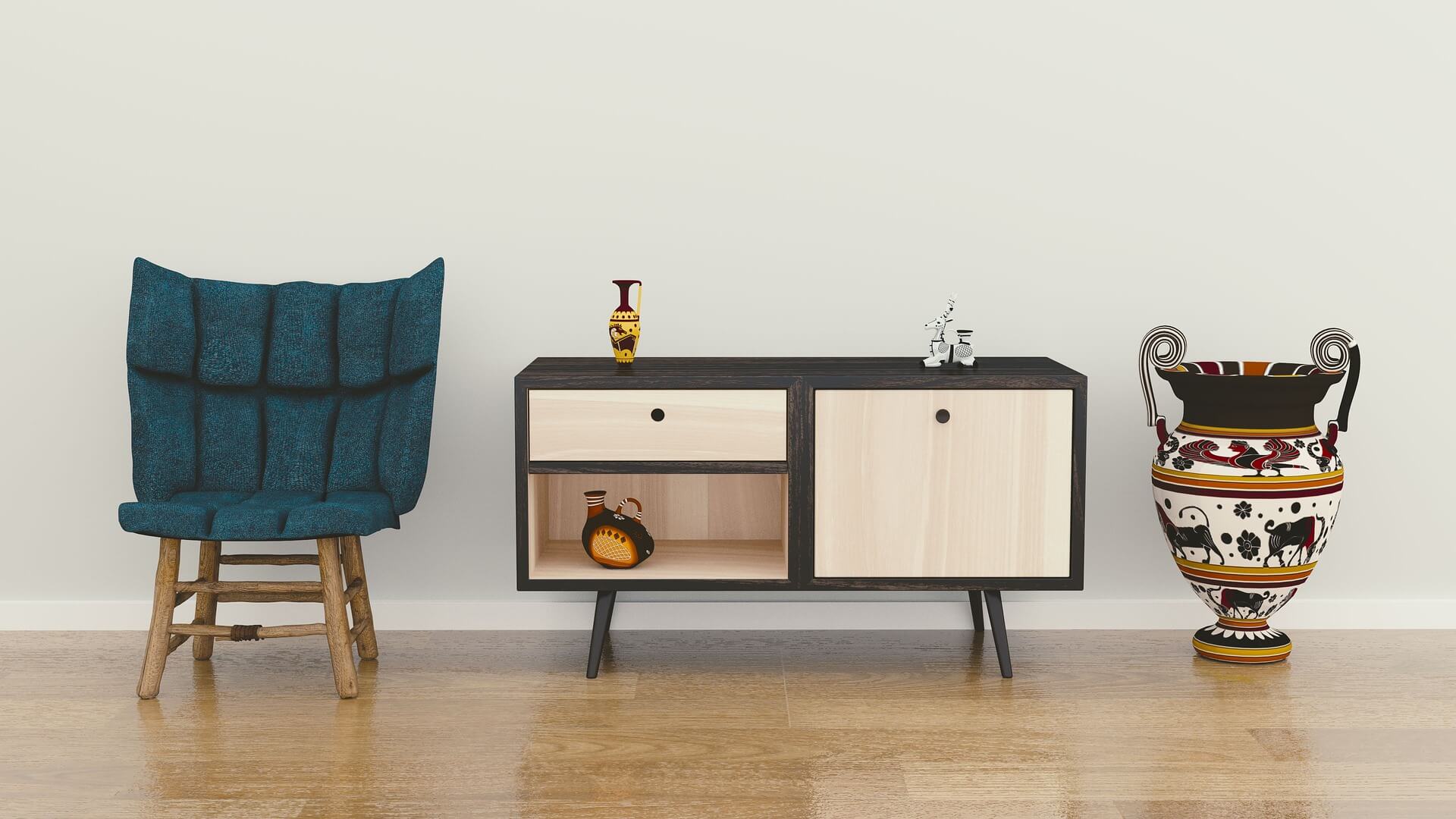
West Elm is modern, bold, a little edgy. It’s the store that makes you consider a velvet sofa in chartreuse. You’ll find a lot of curves, mid-century shapes, and “sustainable” tags you actually want to read.
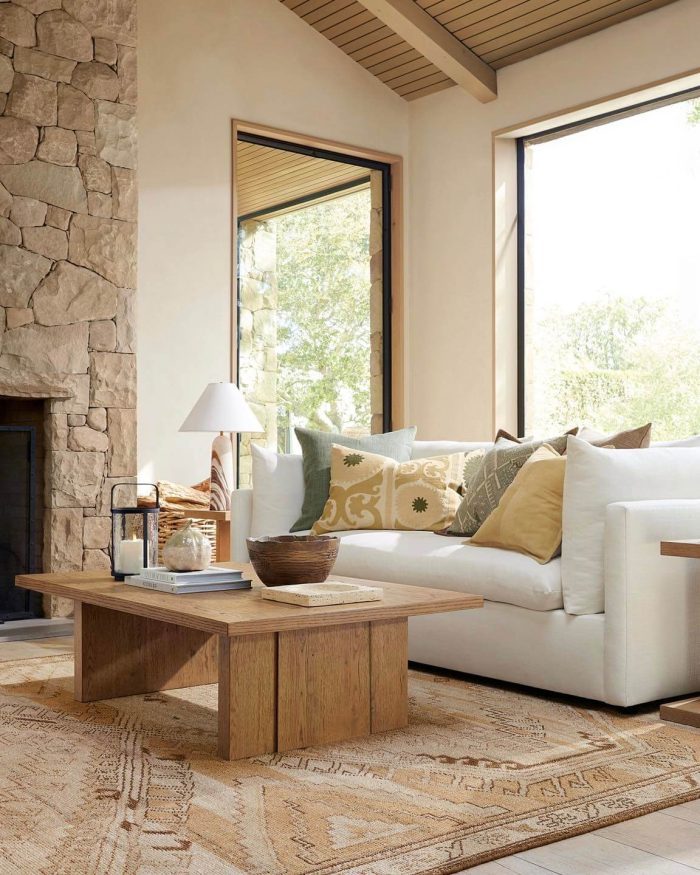
Pottery Barn is all about comfort. Solid. Traditional. Like your favorite sweater, but in furniture form. Nothing flashy—just pieces that feel like they’ve always belonged.
Both claim durability with their Contract Grade pieces. But don’t assume that means the same thing at both stores. One person’s “commercial grade” might still squeak after six months.
Here’s the quick split:
Style: West Elm = modern, sculpted, trend-aware. Pottery Barn = warm, classic, no surprises.
Audience: Night and day. West Elm is for the design nerds. The moodboard makers. The “I need that lamp in my life” kind of people. First apartment? First real job? You’ll probably end up there.
Pottery Barn is for the nesters. Families. People who own a label maker and a dog that sheds. It’s the place you go when you’re ready to stay put—and want furniture that sticks around too.
One is about the look. The other is about the life that happens around it.
Focus: West Elm pushes eco and artisan. Pottery Barn sticks with comfort and craft.
Same family tree. Different branches.

Product Quality & Materials
Let’s talk about what these pieces are actually made of—and how they hold up once you start living on them.
West Elm: Stylish and Sustainable
West Elm looks great. It’s the brand that makes you stop scrolling. Lots of pretty woods, brushed metals, boucle everything. West Elm wears its certifications like badges. FSC wood. Organic cotton. Recycled this, non-toxic that. GREENGUARD, OEKO-TEX—you name it, they’ll flash it.
If you care about how your furniture was made—and what’s in it—they’re basically shouting, “Look at me!”
But looks can deceive.
I’ve had West Elm pieces that held up beautifully. I’ve also had a sofa cushion go pancake-flat in less than a year. Pilling fabric. Wobbly legs. It’s hit or miss. “Contract Grade” sounds sturdy—and sometimes it is. Just don’t assume every piece can take a beating.
Still, if you want trendy, ethically-minded design without going full luxury price tag, they hit a sweet spot. Just read reviews. Always.
Pottery Barn: Classic Comfort That’s Built to Stick Around
Pottery Barn is the sturdier sibling. They like their wood solid and their cushions deep. A lot of their sofa frames are kiln-dried hardwood—translation: they’re not collapsing anytime soon. The designs are less flashy but more forgiving. Spilled coffee. Crayon scribbles. Life.
They also dabble in the eco space—organic bedding, FSC wood, that sort of thing—but it’s not their headliner. What they really sell is comfort. Reliable, soft, and heavy. Like “you’ll need a friend to move this” heavy.
That said, not everything’s perfect. Some customers complain about cushion sag or leather that doesn’t age gracefully. But overall? Their stuff feels made for the long haul.
In short: West Elm wins on style and sustainability. Pottery Barn wins on comfort and consistency.
Your call: Are you dressing the room or living in it?
Pricing & Affordability
The Big Picture
West Elm feels more within reach. It sits in that mid- to upper-mid-range space.
Trendy? – Yes.
Pricey? – Sometimes.
But it’s easier to justify a $900 sofa when it looks like it belongs in a design magazine.
Pottery Barn hits harder on the wallet. Mid- to high-end pricing, especially when you start customizing. Their pieces lean classic and heavy-duty—and the prices reflect that. Especially if you’re eyeing anything upholstered or solid wood.
How to Save Without Settling
Both brands play the long game when it comes to sales. If you’re patient, you’ll score a deal.
Holiday Sales are key: 4th of July, Memorial Day, Black Friday, all the usual suspects.
Clearance & Outlet Sections are goldmines. Floor models, returns, overstock—they’re your secret weapon.
“Open Box” Deals pop up online now and then. Blink and they’re gone.
Email Lists might clog your inbox, but they’ll also tip you off to early promos. Pottery Barn Registry Perks: If you’re getting married, register smart. Discounts roll in after the big day.
Credit Card Rewards: Only worth it if you’re buying big. But those points do stack up.
Sticker shock
West Elm sofas usually start around $800 and tap out near $2,500. Pottery Barn? You’re jumping in at $1,500 and can climb past $4,000 without blinking.
Coffee tables: West Elm gives you options in the $300 to $800 range. Pottery Barn pushes higher—$500 and up, sometimes well past a grand.
Accent chairs follow the same trend. West Elm sticks closer to $300–$800. Pottery Barn jumps to $600, and some hit $1,500.
The pattern’s clear—Pottery Barn costs more. A lot more, depending on what you’re shopping for.
West Elm feels lighter—on design and on price. Pottery Barn leans sturdy and traditional, but it’ll cost you more upfront.
If you shop smart, both can work within a budget. You just have to be willing to wait, dig, or downsize.
Shipping, Delivery & Assembly
This is where things either go smoothly… or drive you straight to customer service. I’ve ordered from both brands more times than I’d like to admit, and let me tell you—delivery is rarely just “drop it at the door and done.”
Delivery Options
Both West Elm and Pottery Barn use a tiered system. Sounds organized, right? Kind of.
Standard Shipping is for smaller stuff—pillows, throws, lamps. These show up via FedEx or UPS, usually without drama. Just be ready to pay more the higher your cart total gets. Nothing’s really “free.”
Threshold Delivery steps it up. Mid-sized furniture comes to your front door or inside the entry. That’s it. No unboxing. No assembly. And if it’s heavy? Good luck. You’ll be the one dragging it to the living room.
White Glove Delivery is where you stop lifting and start pointing. They carry it in, set it up, and clean up the packaging. I’ve used this for sofas and beds, and honestly—it’s worth the flat fee if you don’t want to mess with assembly.
But it’s not flawless. One time, they forgot the hardware. Another time, they showed up early without calling. So… mixed bag.
Made-to-Order Wait Times
This part requires patience.
Custom upholstery sounds exciting—until you see the shipping estimate. Six weeks. Sometimes ten. And yes, I’ve waited even longer.
Always check the product page. That “in stock” label is your best friend. And screenshot it. You’ll want proof if the delivery gets pushed.
Assembly Realities
Here’s the deal: If it’s big and you paid for White Glove, you’re off the hook. But anything small? Be ready to build.
West Elm’s minimalist designs are usually easier to put together—fewer parts, simpler lines. Still, I’ve had to redo pieces because the instructions were vague or screws didn’t align.
Pottery Barn? Beautiful, but more complicated. Traditional frames often mean more hardware, more time, and usually a second person. I’ve built a nightstand from them that took longer than it should’ve, and I’m decent with tools.
So yes, both brands offer convenience. Just don’t expect perfection. Track everything. Measure twice. And maybe keep your screwdriver nearby—just in case.
Return Policies & Customer Service
Returns sound simple—until something actually goes wrong. I’ve had my fair share of return adventures with both West Elm and Pottery Barn. Spoiler: it’s not always smooth sailing.
Return Windows
Both brands give you 30 days to return most items. That’s your basic safety net. But if you ordered something labeled “Quick Ship Upholstery,” you only get 7 days. That one catches people off guard. It definitely caught me.
Everything has to be in new condition, and yes—proof of purchase is a must. If you lose your receipt, expect hurdles. No receipt, no return.
What You Can’t Return
This is where the fine print matters. And trust me, you’ll want to read it.
Made-to-order furniture? Final sale. No takebacks unless it arrives damaged.
Personalized items? Same deal.
Final sale tags: Usually those sneaky price endings like .97 mean you’re stuck with it.
Shipping and delivery fees: Non-refundable almost every time. Even if the item didn’t work out.
I once tried to return a rug that didn’t fit. The return shipping alone cost me $40. Lesson learned: measure and double-check return terms.
Customer Service
I’ve had great in-store help. Walk into either store and you’ll find people who get it.
They know the fabrics. They speak in wood finishes. They’ll sketch out room layouts on the back of a receipt if you ask.
Need a fabric swatch: They’ve already got three in their hand.
Trying to match a rug to a sofa you bought six months ago? They’ll figure it out.
In-store, it feels like someone’s got your back
But once you’re dealing with corporate-level customer service—it’s hit or miss.
Hold times can drag. Promises don’t always get followed up. I’ve had to chase reps for weeks over one scratched coffee table. It’s frustrating. Even more so when you’re dealing with expensive, made-to-order items you can’t return.
How to Make It Easier: Document everything. Take photos. Keep emails. Write down names and call times. And if you hit a wall? Social media works surprisingly well. A polite but public post usually speeds things up.
They’ll work with you—but only if you push. And follow up. And stay calm while listening to hold music for 47 minutes.
My Shopping Experience
West Elm always pulls me in. The store feels like a design blog came to life. Everything is styled just right—neutral walls, sculptural lighting, a candle burning somewhere. It’s easy to get inspired. It’s even easier to overspend.
I’ve scored great pieces during big sales. A coffee table I still love. Linen sheets that actually felt luxe. But not everything’s been perfect.
One velvet accent chair looked like a dream—until the fabric started to crush and pill within months. It still sits in the corner, just a little sadder now.
Pottery Barn feels calmer. Warmer. Less cool, more classic. You walk in and kind of want to curl up on the display sofa with a throw and a book you don’t even own yet.
The quality’s more reliable. Especially their bedding. Their wood pieces feel solid in a way West Elm sometimes doesn’t. And while I’ve paid more upfront, I haven’t regretted it later.
If I want bold and fresh, I go to West Elm. If I want furniture that’s going to outlast my current throw pillow phase, I go to Pottery Barn.
Additional Insights
Let’s talk style, because honestly—that’s where most people get stuck. It’s not just about price or quality. It’s about what you want your home to feel like.
Design Vibes, Up Close
West Elm feels like a downtown loft with a record player in the corner. It’s bold. Sculptural. A little dramatic. Great for open spaces, clean lines, and anyone who says “I want something modern, but cozy.”
I’ve used West Elm pieces in small apartments where every square foot mattered. They’re flexible. Lightweight. Visually quiet, even when they’re making a statement.
Pottery Barn leans the other way. It’s soft. Timeless. Made for people who love a house that feels like home—even when it’s spotless. The style works in larger spaces, older homes, and anywhere you want warmth over edge.
Their furniture has that lived-in look, right out of the box. And not in a shabby way—in a “my kids and dog could nap here” way.
Who Wins on Style?
That depends on you. If you want clean, modern, and a little bit bold—West Elm is your match.
If you want classic comfort and furniture that feels familiar in the best way—Pottery Barn is the one.
I like mixing both. A West Elm coffee table. A Pottery Barn sofa. A room that doesn’t follow the rules but still makes sense. That’s the sweet spot.
Best Buys From Each Brand
Not everything is worth it from either brand. But a few categories really shine.
From West Elm:
- Coffee tables (especially pedestal or organic-shaped ones)
- Lighting fixtures (bold, sculptural, affordable-ish)
- Wall art and mirrors (great for small-space drama)
From Pottery Barn:
- Sofas and sectionals (York and Big Sur lines are consistently solid)
- Bedding (linen, cotton, and quilted sets—built to last)
- Dining tables (especially anything in kiln-dried wood)
When in doubt, I shop West Elm for the trendy pieces that change with the seasons. Pottery Barn is where I invest.
Final Verdict: Which Brand Is Right for Your Home?
Here’s how I see it—West Elm is style-driven. Pottery Barn is soul-driven. And choosing between them comes down to what matters most in your space.
Choose West Elm if modern gets you excited.
If you see a brass lamp or curved sofa and think, yes, that’s it.
If clean lines and earthy tones feel like your version of calm.
You want something that looks designer but doesn’t wreck your savings.
And if it’s made with recycled wood or organic cotton? Even better. You’re okay with the occasional quality gamble in exchange for something that looks really good.
Pick Pottery Barn if you crave comfort you can sink into. If you like rooms that feel warm, layered, and personal. You’re fine spending more upfront if it means not replacing a sofa in five years. And you want furniture that can handle messy kids, long weekends, and life in motion.
Me? I mix. West Elm for bold accents. Pottery Barn for the pieces I live on every day. That combo’s never failed me.